Blog

  • Week 5

    This week I focused on building out the core interaction systems and making Critical Reaction feel less like a prototype and more like a game.

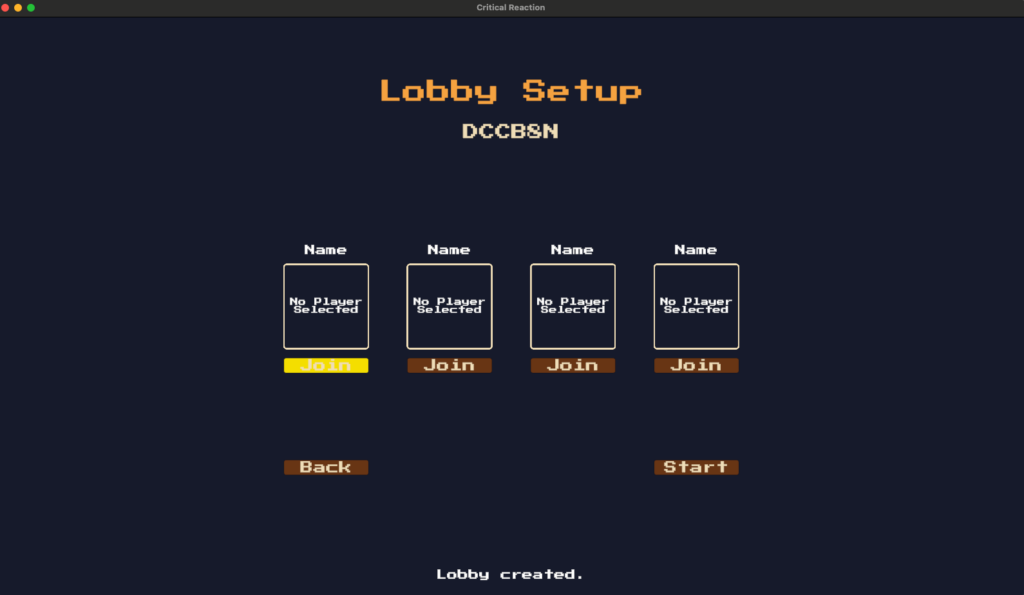
    I completed networked lobbies, which was a requirements for a game based primarily around co-op.

    Next I worked on implementing the storage rack system. Creating the necessary visual display for items on the rack, adding three new item sprites, and creating a scriptable object for items, so they behave like game content instead of placeholders. In the process, I also created the workstation sprite and other art assets.

    With the storage rack complete, the next step was making them playable. I built the interaction loop so players can walk up to the rack, open the interaction menu, pickup an item, and place items back onto the rack so long as theres available space.

    Once storage was working, I moved onto workstations. These are the basis of the game, so I implemented a base workstation system along with the player interaction scripts needed to support it. The design goal is to have individual menus for each workstation type, but built on a shared foundation so the game stays consistent as more stations are added.

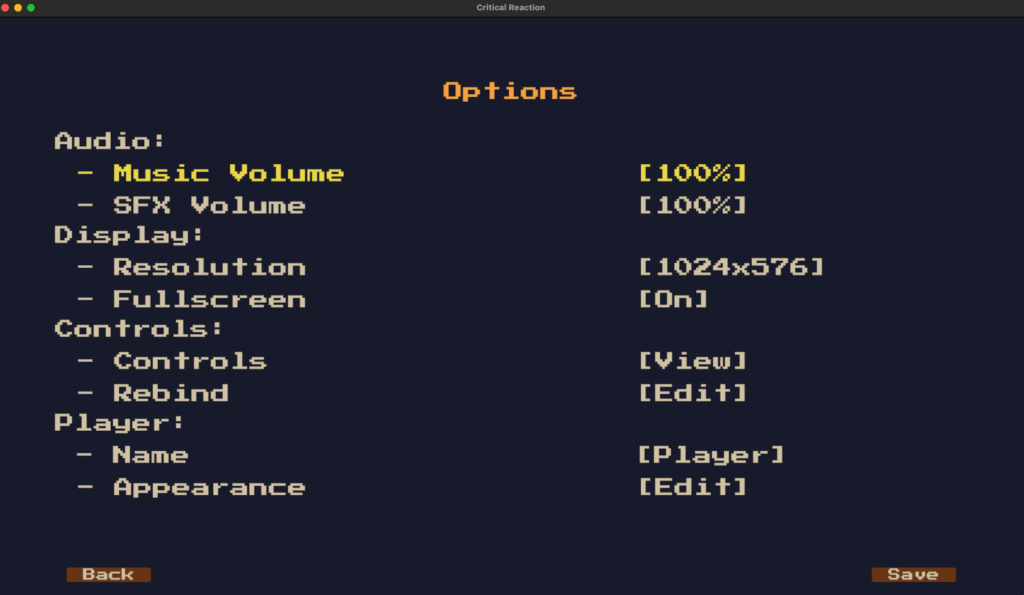
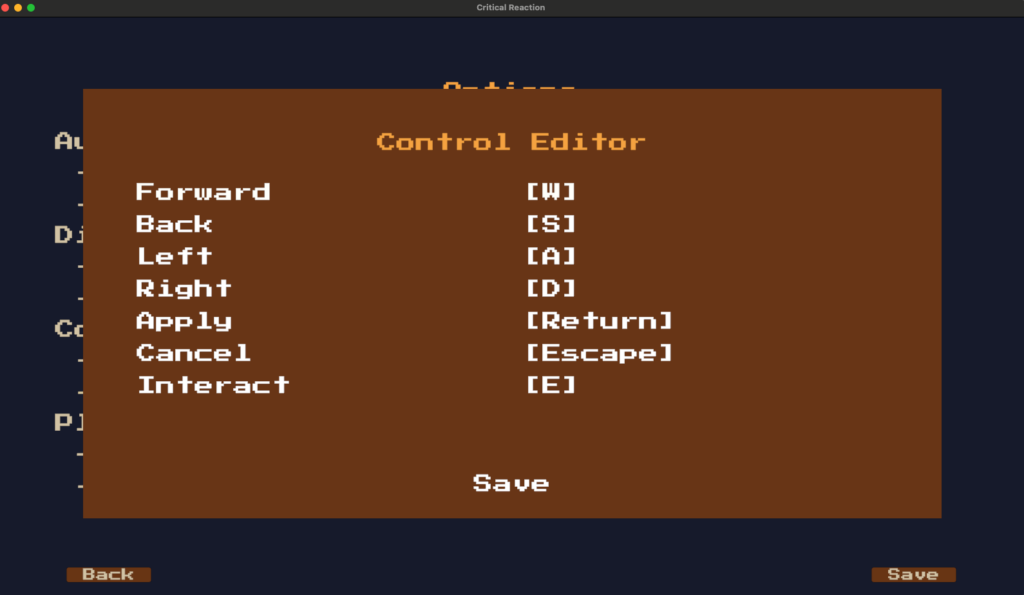
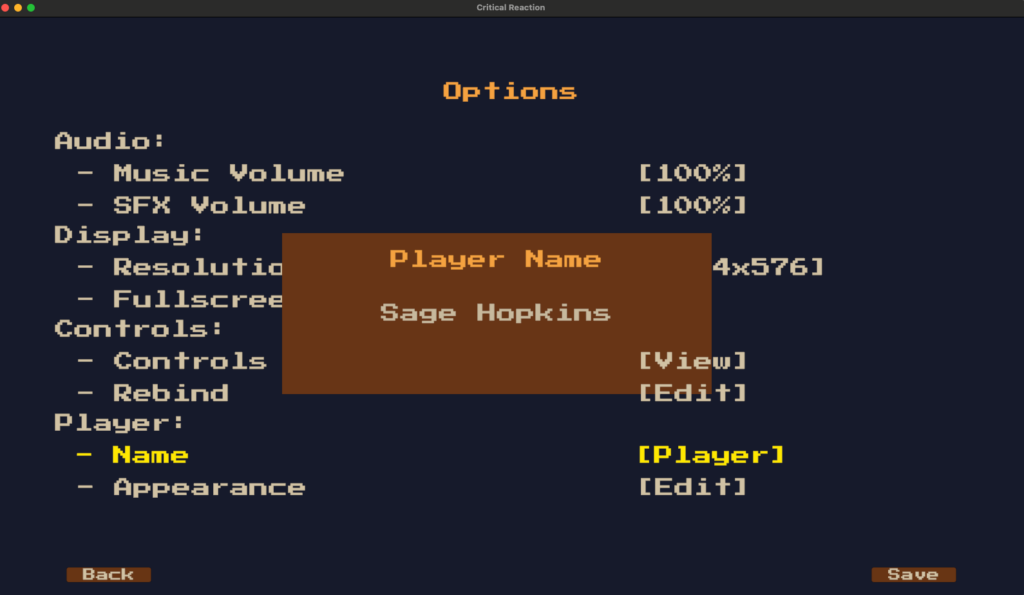
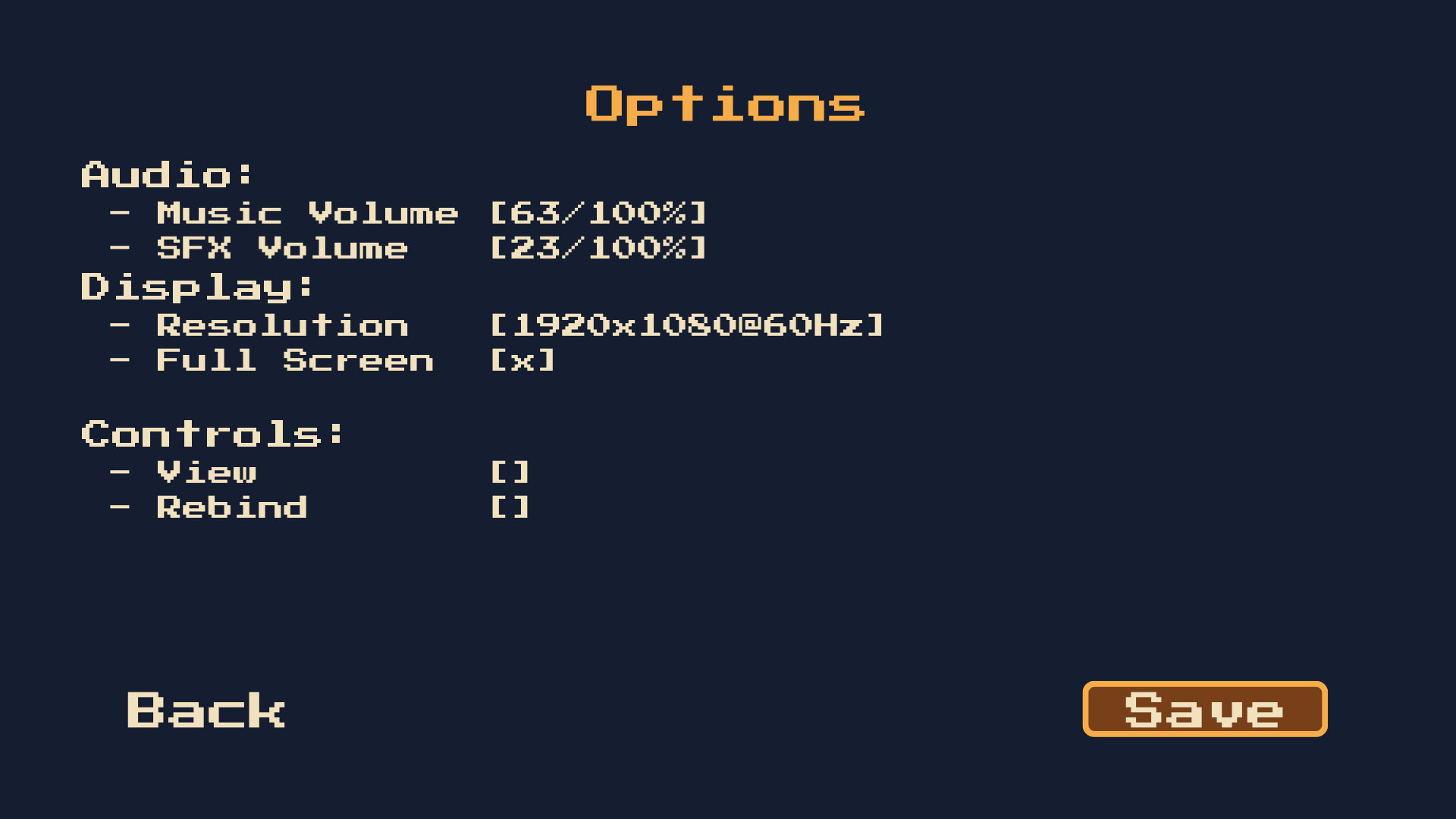
    The scale station was the first workstation to be created. It now has a working inventory system and proper menus. While working on the interaction and input code, I also refactored the player control script to use the settings system for rebindable controls. That change makes the Options menu useful.

    Overall, I focused on the fundamental requirements for the game: player controls, item handling, workstation interaction, and basic visuals.
  • Week 4

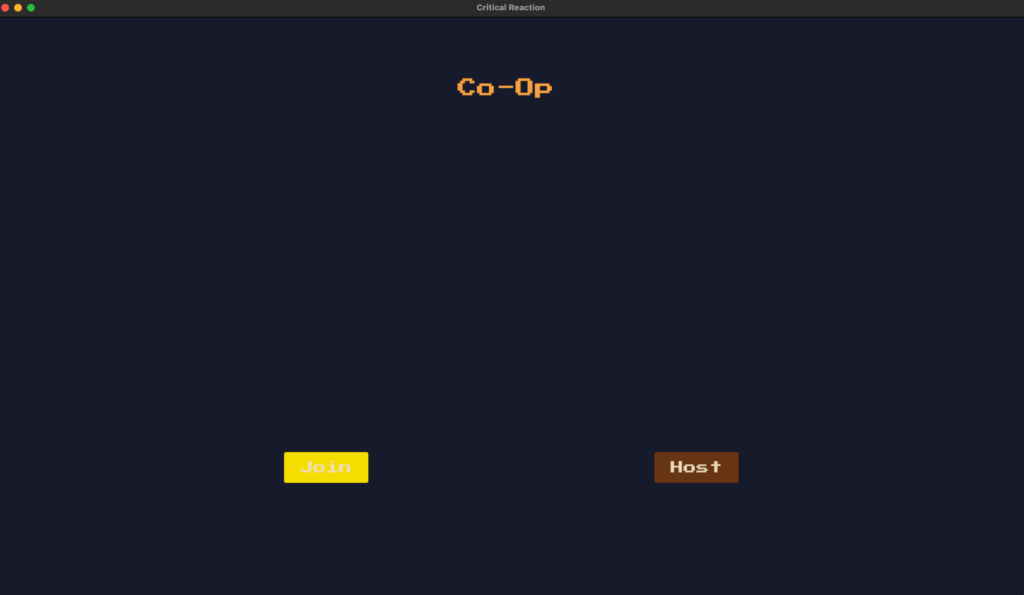
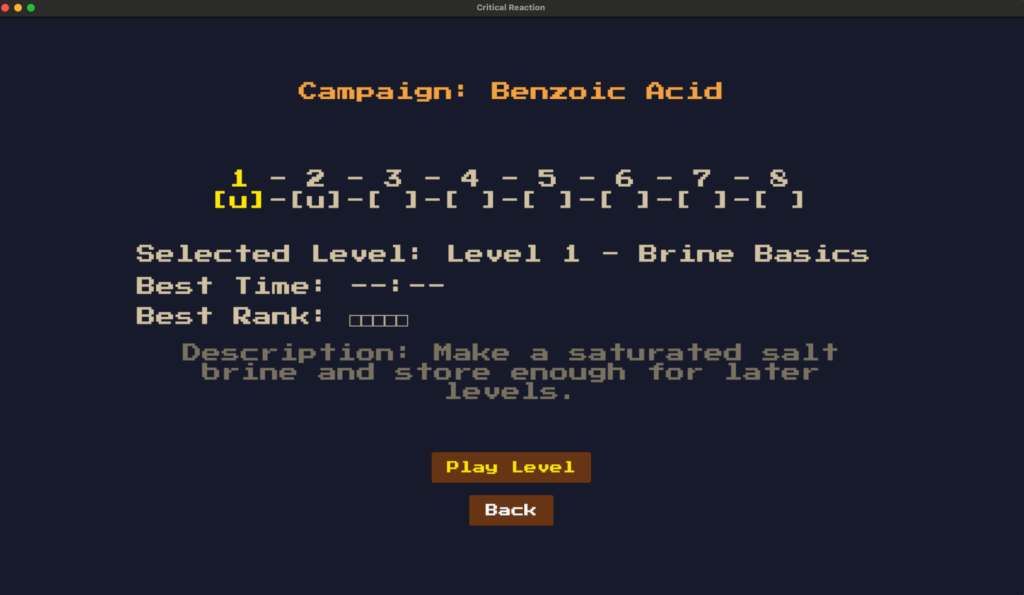
    This week I focused on turning our wireframe into a playable binary in Unity. The goal was to take what we designed on paper (or in this case Canva/Figma) and prove the experience works end -to-end within Unity.

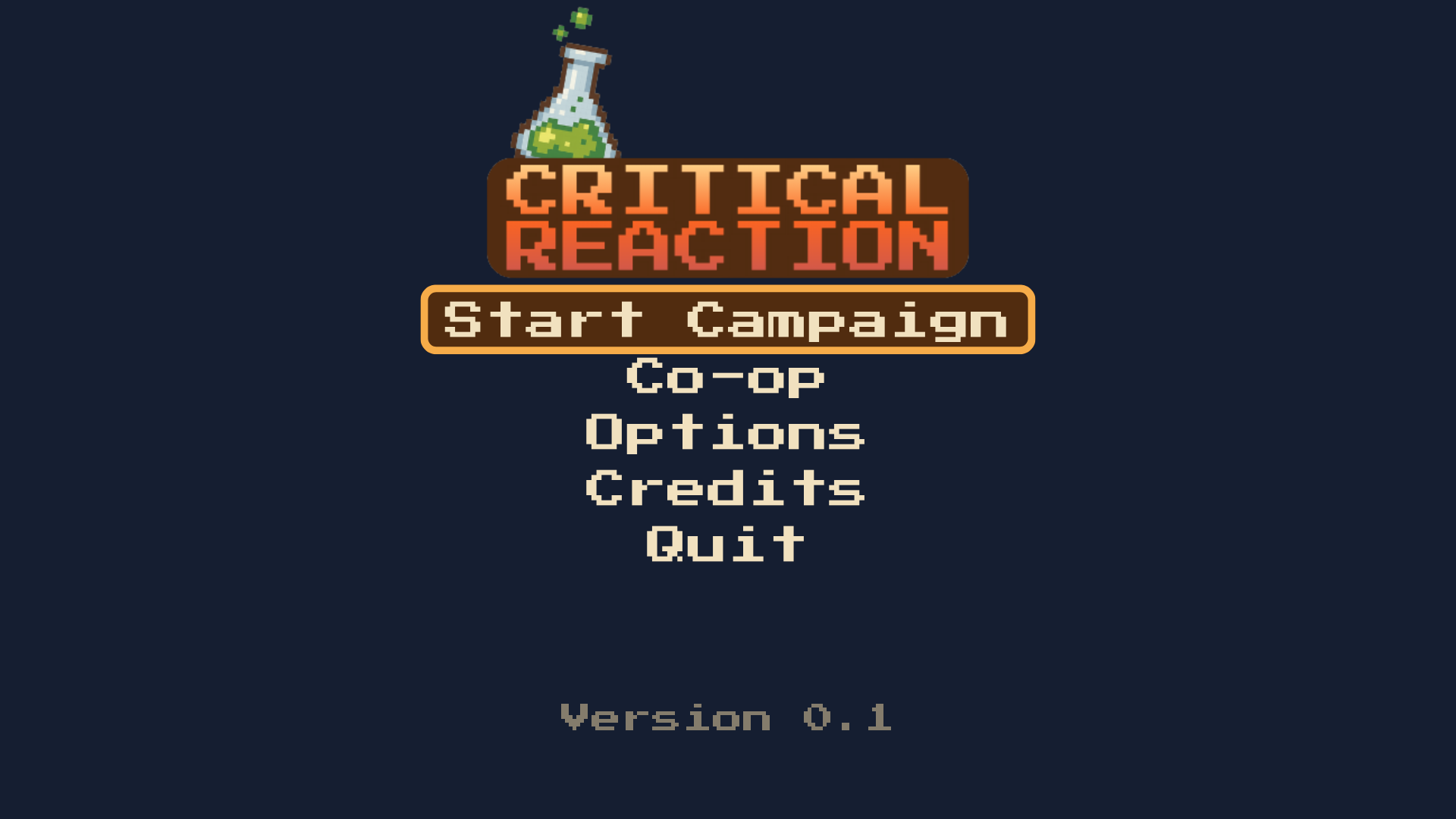
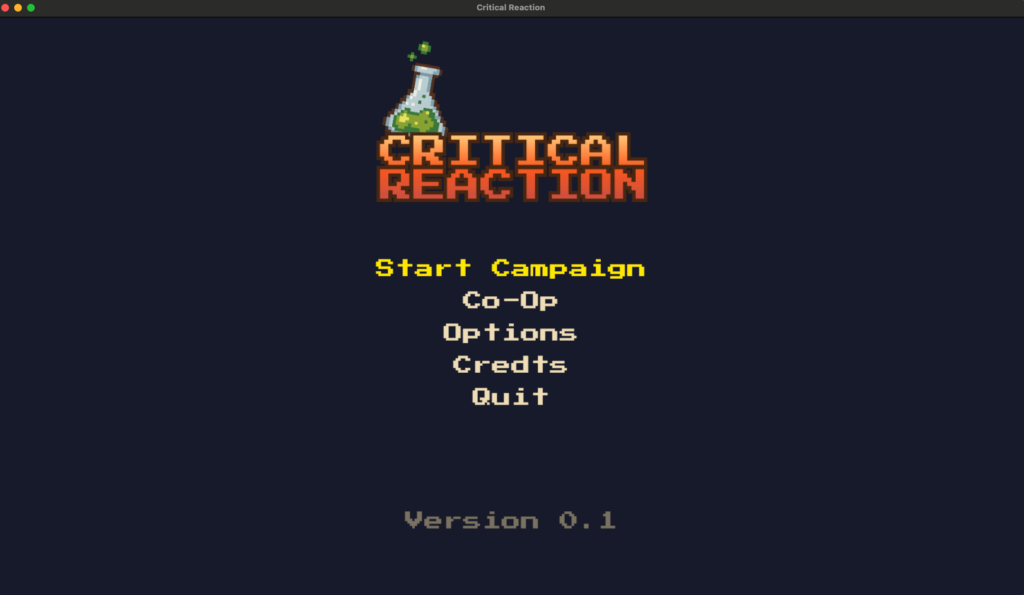
    I built out the base interactions shown in the wireframe so the experience now behaves the way we intended, not just a concept, but in a clickable, testable format. That includes the primary UX views, and the underlying logic needed to support them.

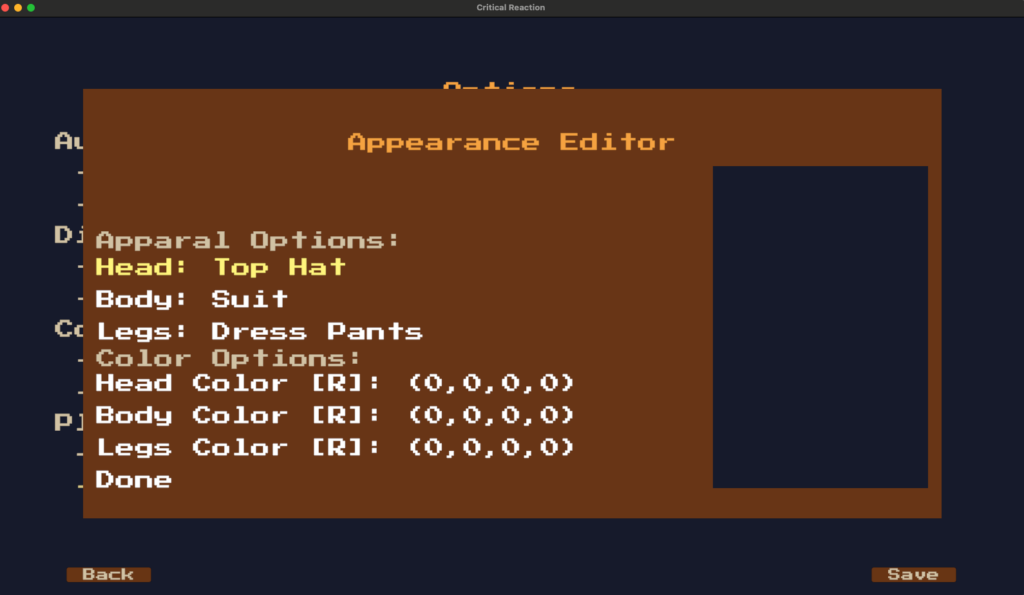
    In addition to matching the wireframe, I also extended a few of the views (controls, player appearance, lobby controls) where it made sense to do so; specifically, these were situations where a menu wasn’t complete without the extension.

    Overall, the structure of the UX is in place, so future iteration should be primarily refinement rather than rebuilding.

    Our team is still working on artwork so some visuals are missing, but at this point we know where that artwork will go in the future.

    I also began work on networking, specifically, I added working, networked lobbies and lobby codes, so players can join each other’s lobbies by entering a shared code. This was a priority as it sets the stage for next months development effort.

    Overall, I focused this week on building the foundation for the game, the wireframe is now a UX asset, and multiplayer has the groundwork laid to speed up development next week.

  • Week 3

    This week Critical Reaction development was all about making the game feel real, not just an idea.

    We didn’t change anything in the game design document itself. The core idea works, so instead of rewriting things, we focused on how the game actually looks and flows. Most of our time went into building a wireframe prototype of the major screens and the basic HUD.

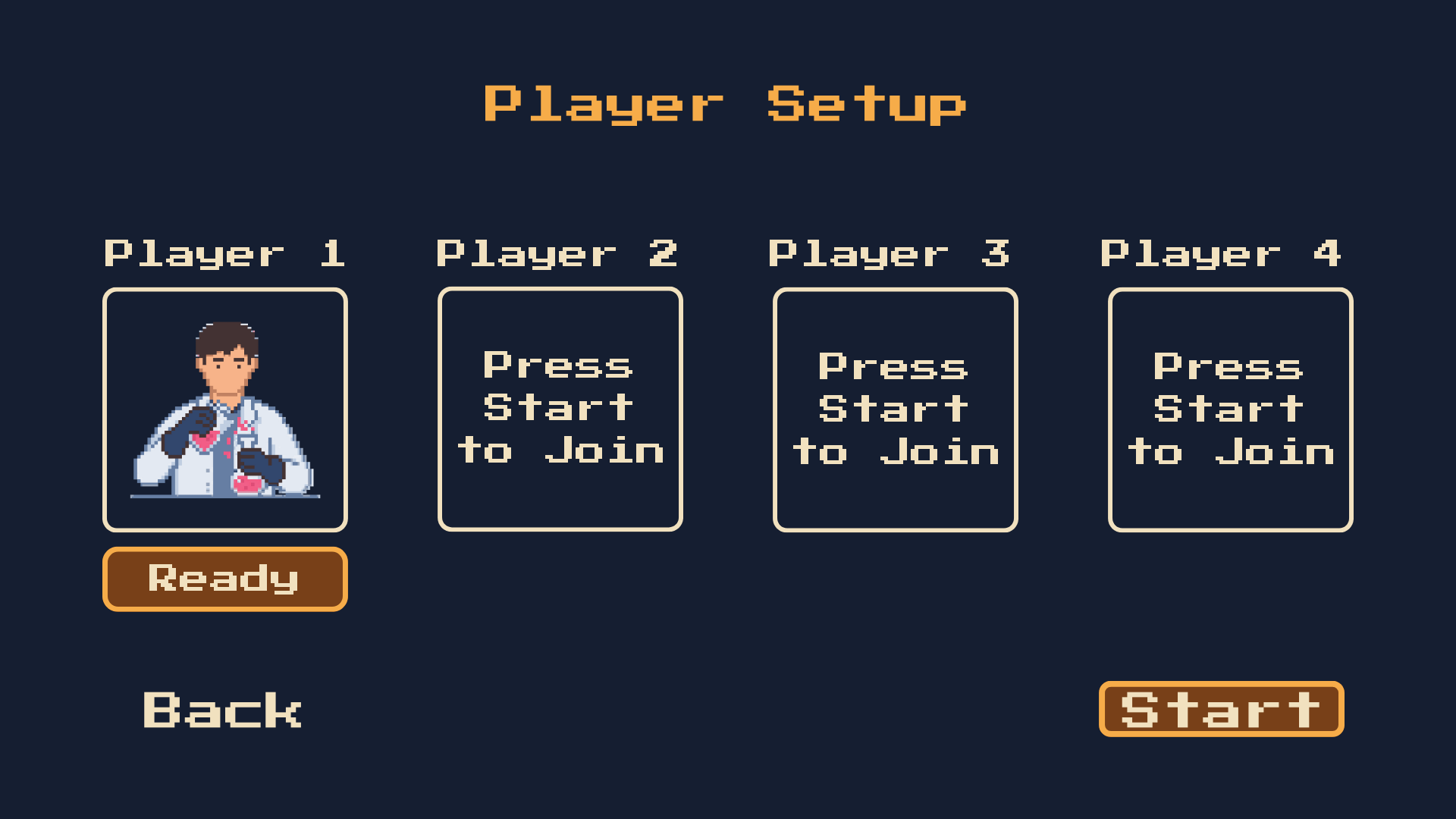
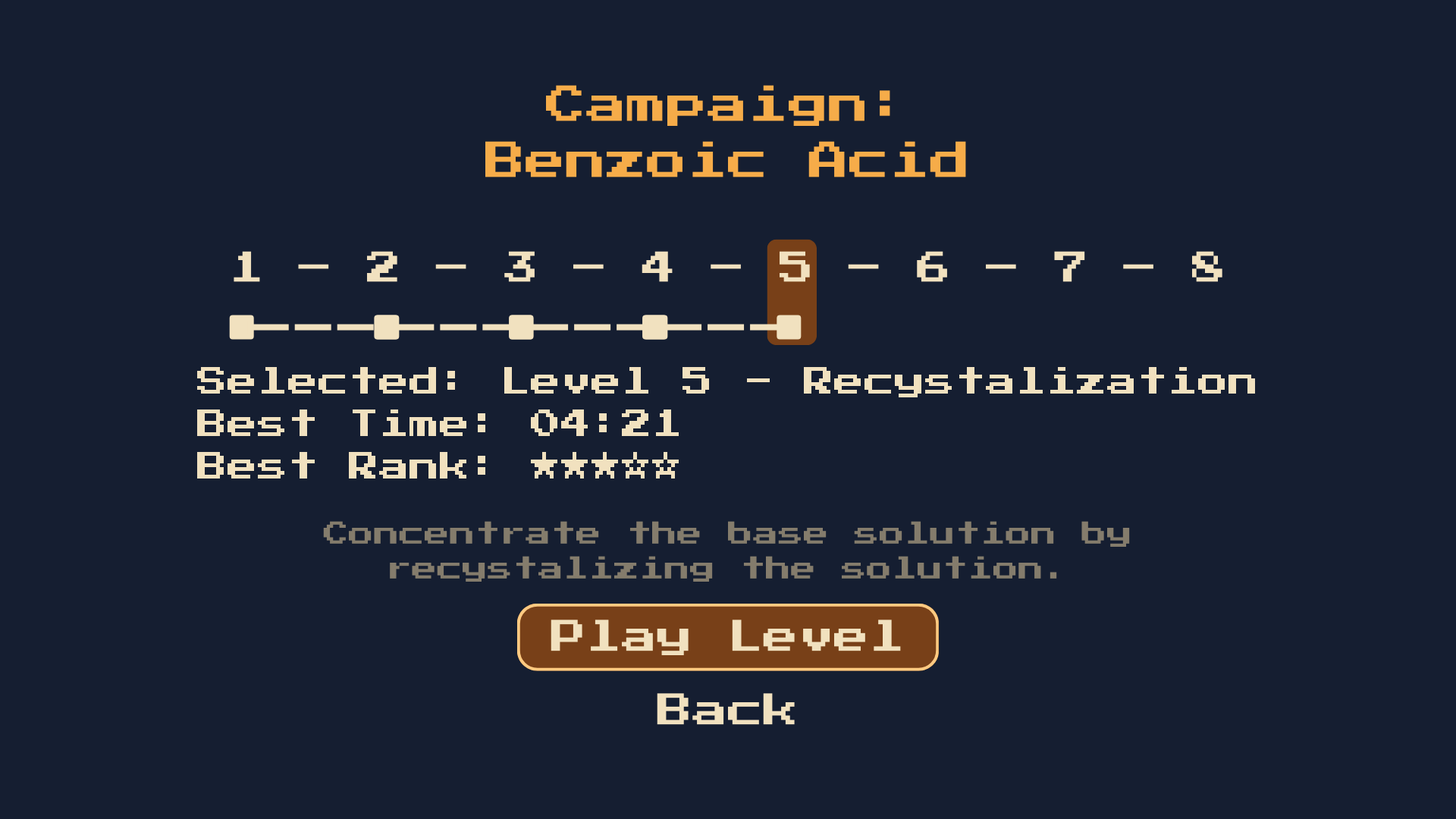
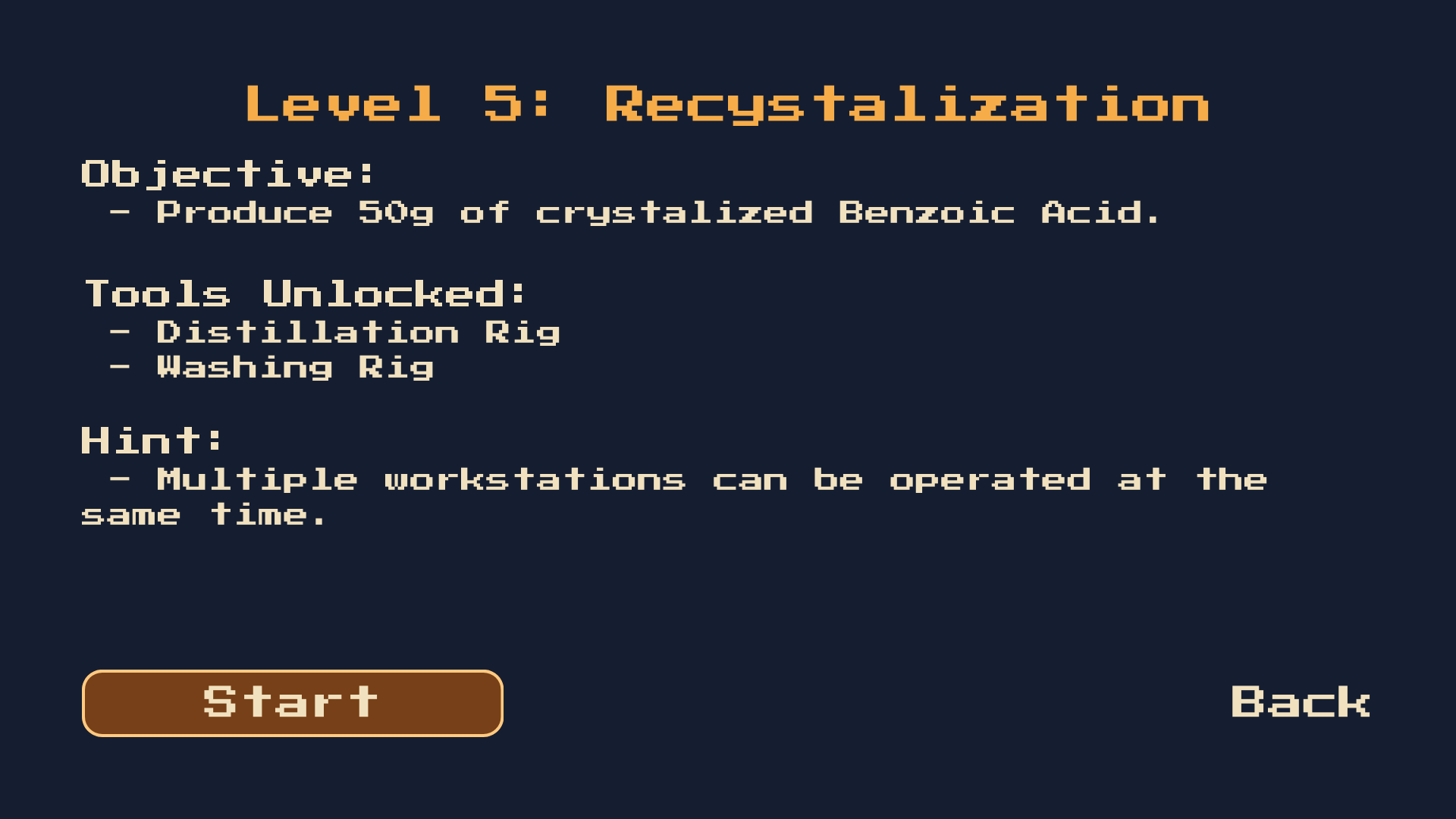
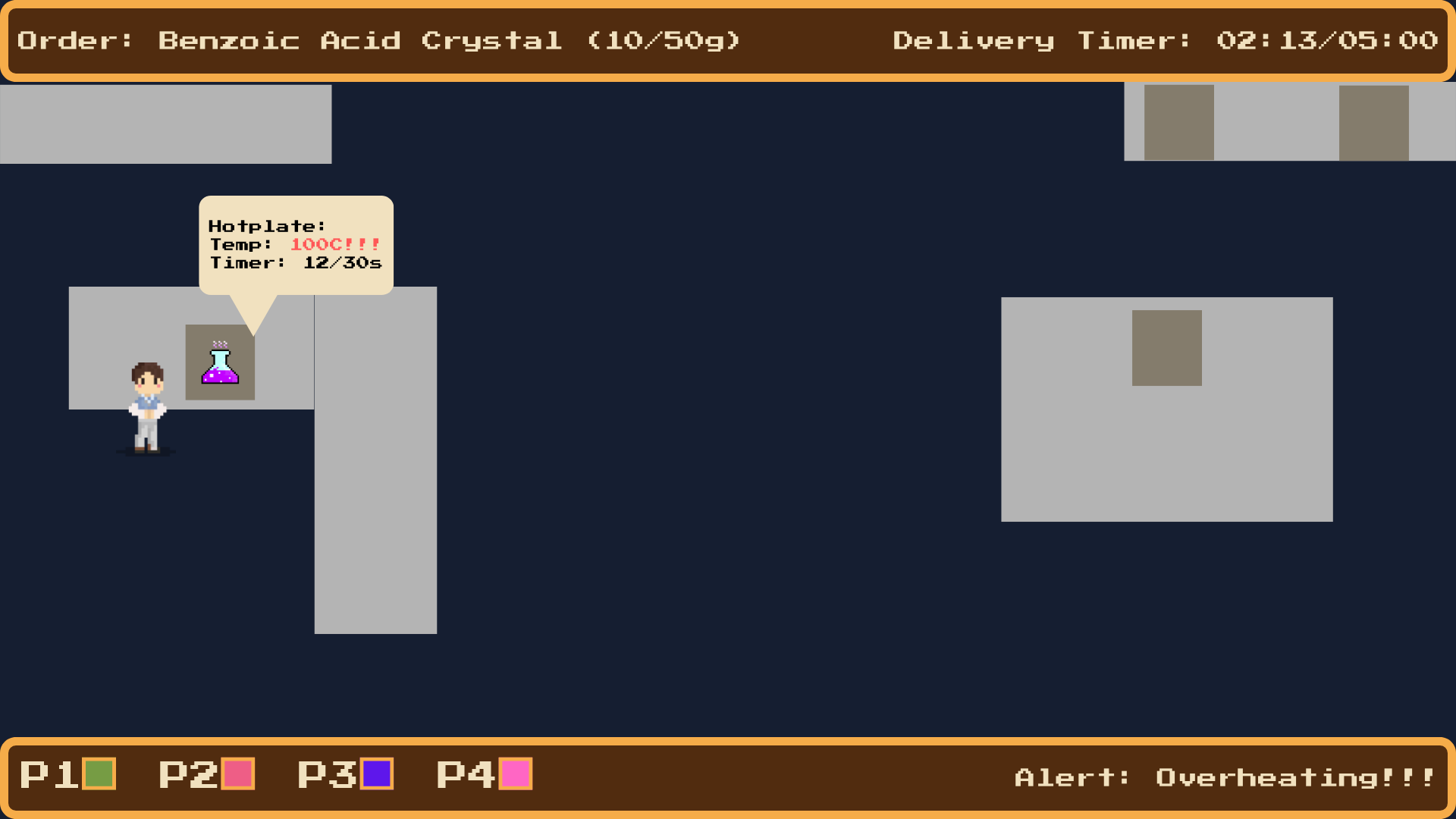
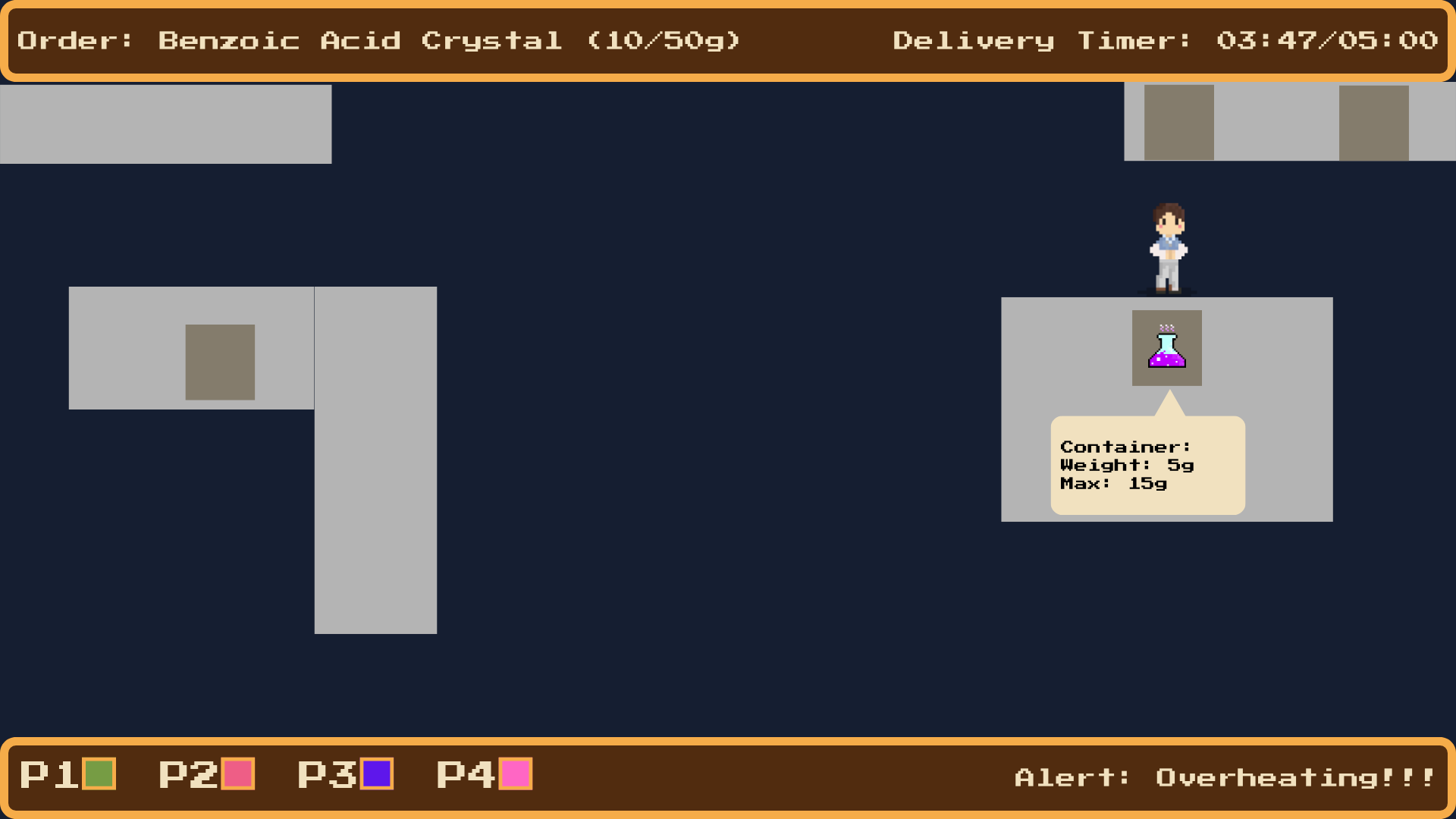
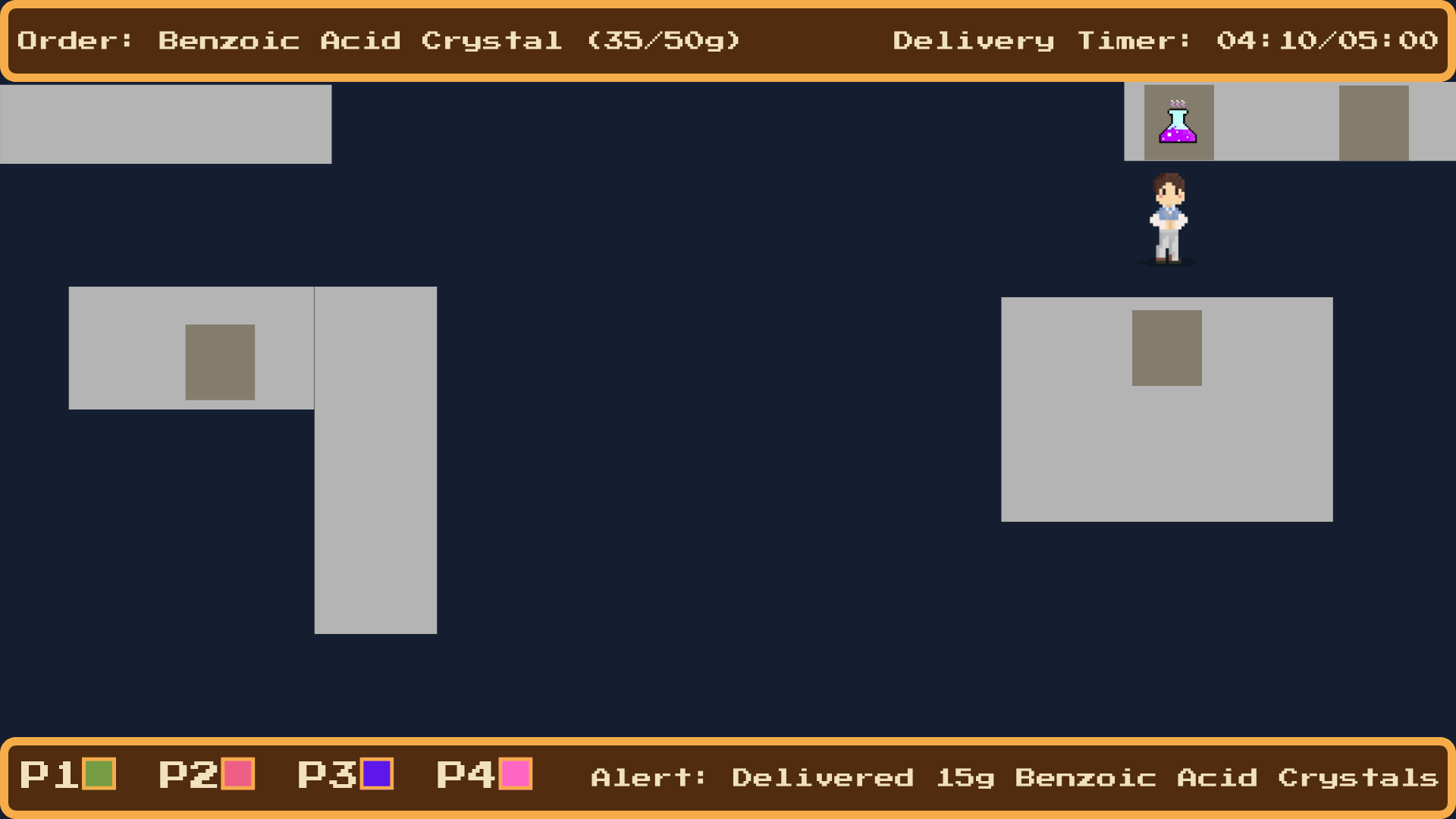
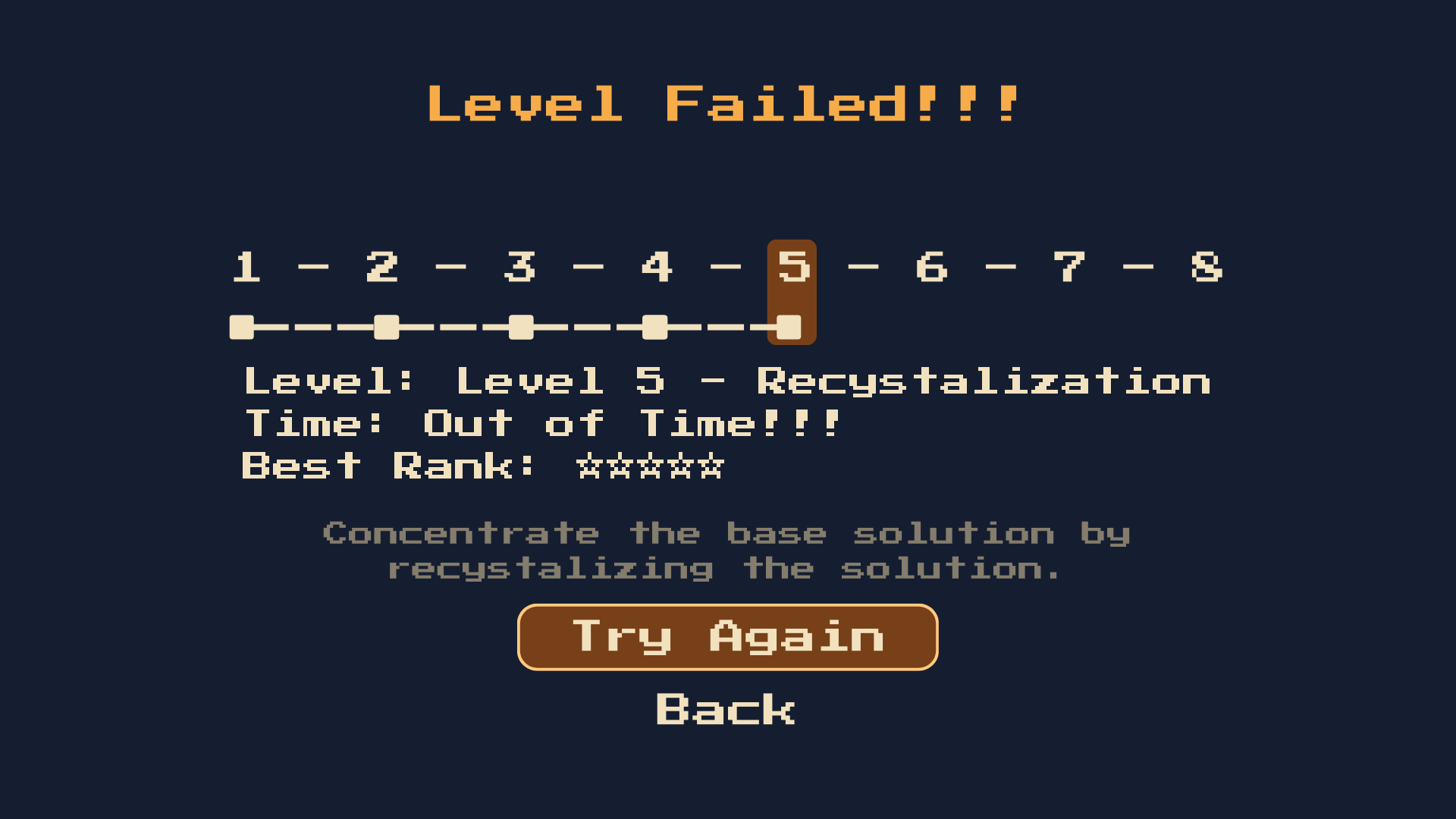
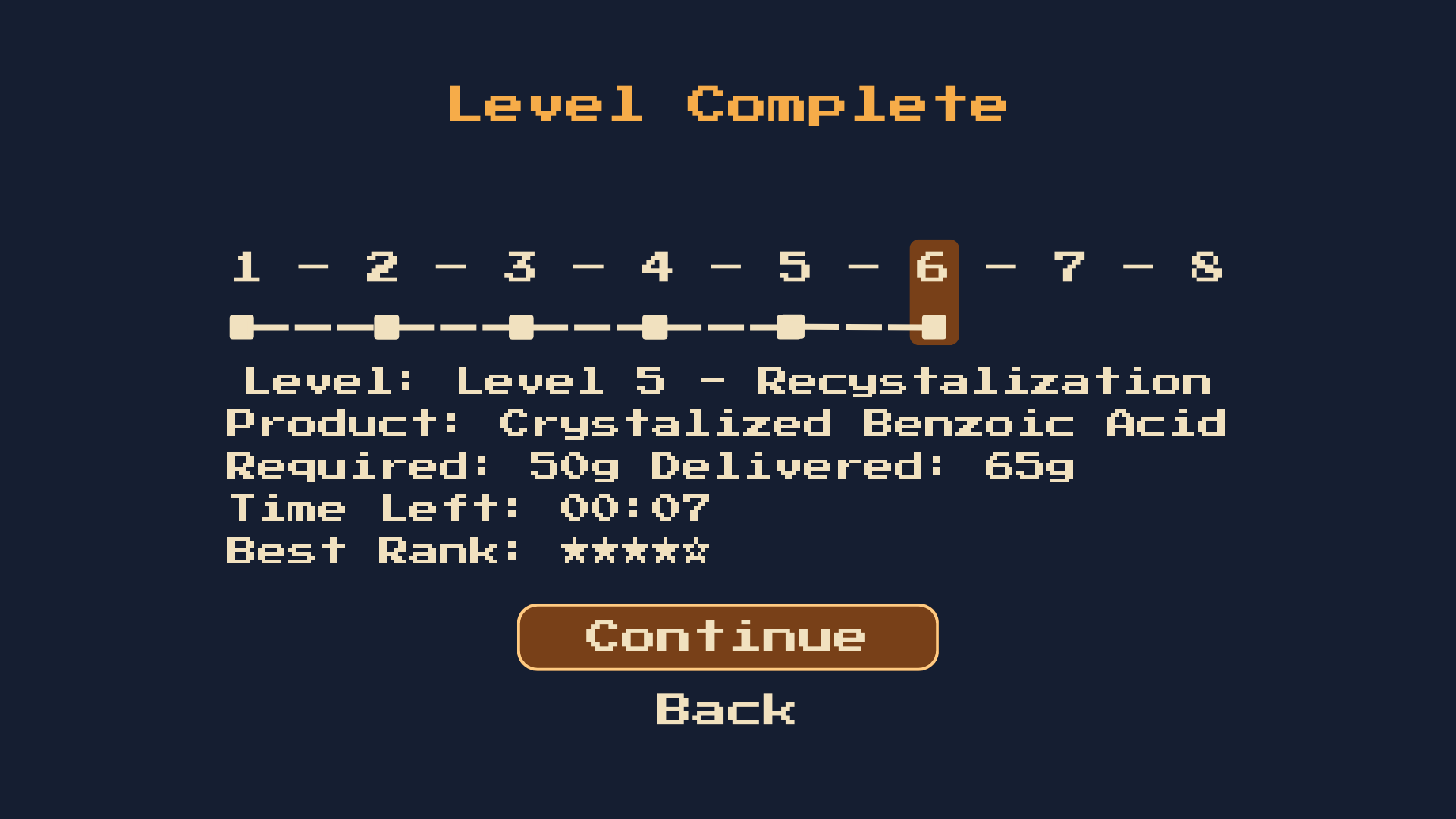
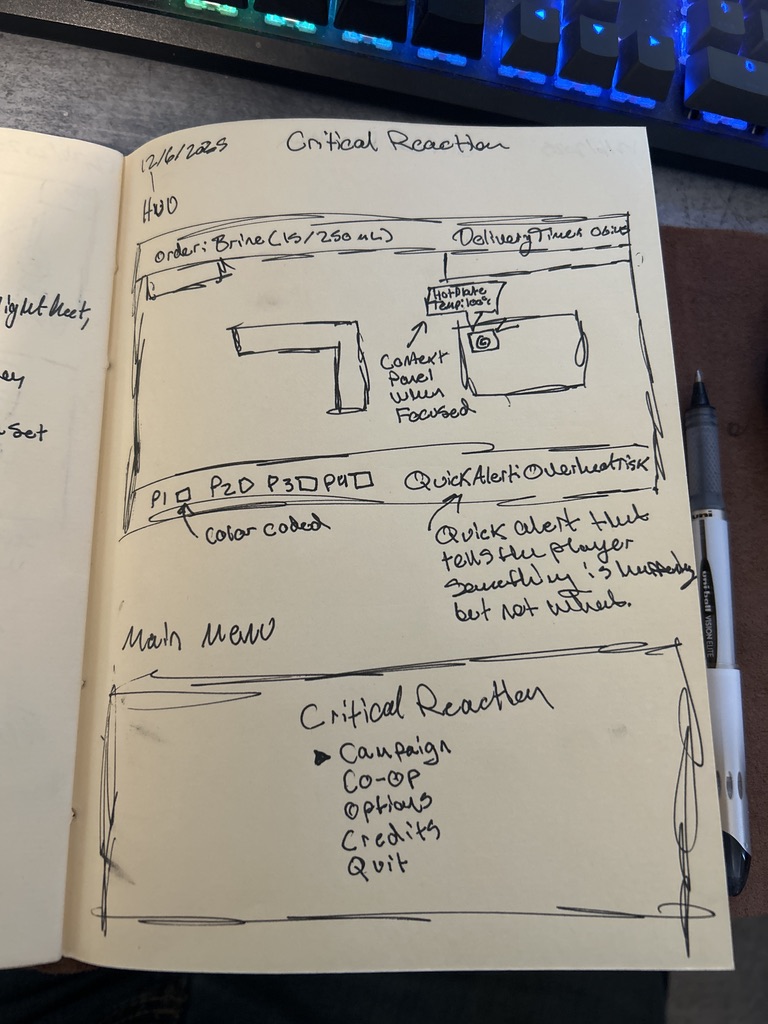
    We wireframed the main menu, a co-op player setup lobby, the Benzoic Acid campaign map, and a level briefing screen that explains the objective, tools unlocked, and a quick hint before you join the game. We also sketched out in-game HUD views showing the global delivery timer, product progress (e.g., “Benzoic Acid Crystal 10/50g), player indicators for P1-P4, and alerts like overheating warnings. Finally, we laid out level fail and complete screens and the Options menu.

    After completing the UI flow, and prototyping the game, we moved over to project management. We set up Jira tasks so the project is planned and actionable. We broke items into a few different Epics, which should make it easier to track where each system is.

  • Week 2

    This week we made a large amount of progress on shaping Critical Reaction for concept into a structured, buildable game.

    We started by tightening the core pitch: a 1-4 player, top down pixel-art co-op lab time-management game where you play technicians racing overlapping timers to produce real-ish chemicals. The key idea was leaning hard into the Overcooked-but-chemistry vibe; fast, readable, team-driven, chaos; while keeping the reactions semi-realistic enough to make the player feel smart.

    The biggest thing we did was simplify the campaign structure. Instead of overcomplicating with scoring or complicated success conditions, we determined a “keep it simple” rule was in order.

    Each level is “make X amount of this product needed for the next thing we’re making”. You win if you have enough.

    We also outlined our first campaign using benzoic acid as the end goal. The chain is broken into levels where you make intermediate products (brine, solutions, washed layers, concentrated mix) that eventually lead into the final product. The goal being to provide a simple learning path that lets us introduce tools one at a time.

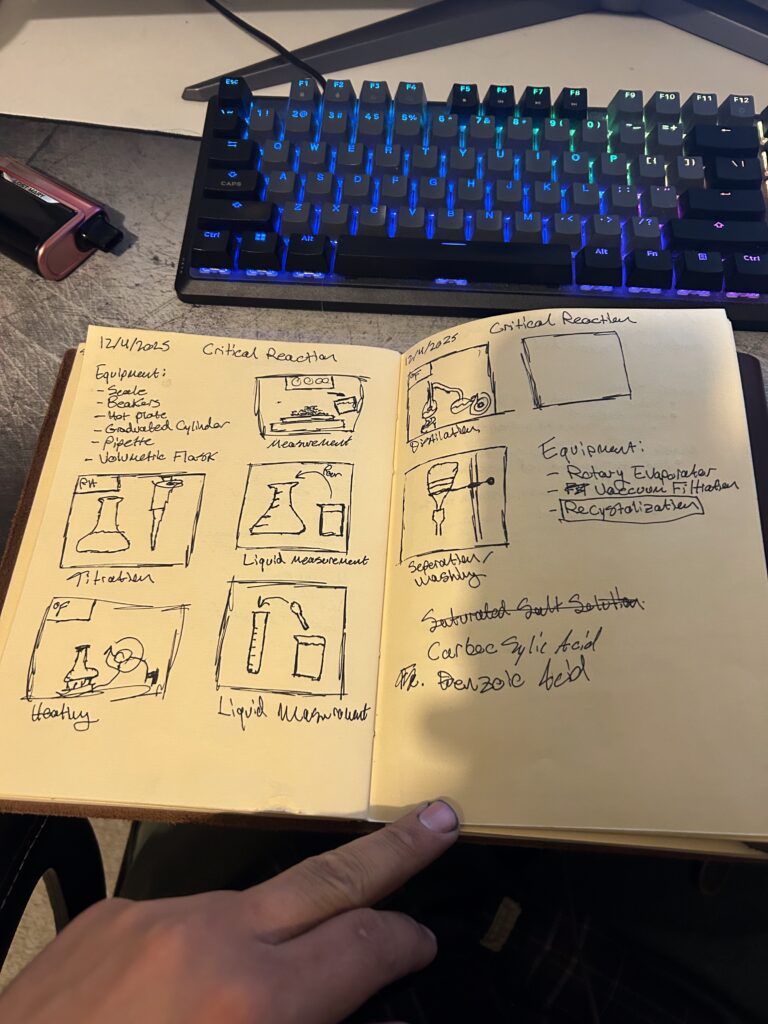
    We worked through the interface and controls for various parts of the game. I’ve included a couple of the sketches from my notebook:

    We also wrote out the game logic and rules in a way that matches our idea: no combat, no weapons, no powerups. The main interactive pieces are the technicians, containers, stations, storage, and delivery zones. We mapped how those things work together.

    On the art side, we started exploring what the lab pixel art style will look at. In the above images from my notebook, you can see what the lab might look like.

    Overall, we focused on shaping our project correctly: what the game actually is, what our MVP looks like, what the game play feels like and what happens in it.

  • First Post

    Hello I’m Sage Hopkins. I’m currently studying computer science at Fullsail University. I’ve been programming since about 12 years old, when I learned Java in order to write Mods for Minecraft. Ever since, I’ve found great joy in programming.

    I served 5 years in the United States Army as a UH60 crew chief, and currently work as a contractor in a Steel Mill. I also own and operate a regenerative farm in Avondale, Colorado.

    Upon graduation, I hope to secure a position as a Software developer.